
Satisfies 1 requirement
Office Accommodation Camp Kitchen Toilet Clinic Ablution Hospital Customized Certificated House Container
US$6,000.00-80,000.00
1 Piece(MOQ)

I have found results from1000+products and300+suppliers aboutAblution container


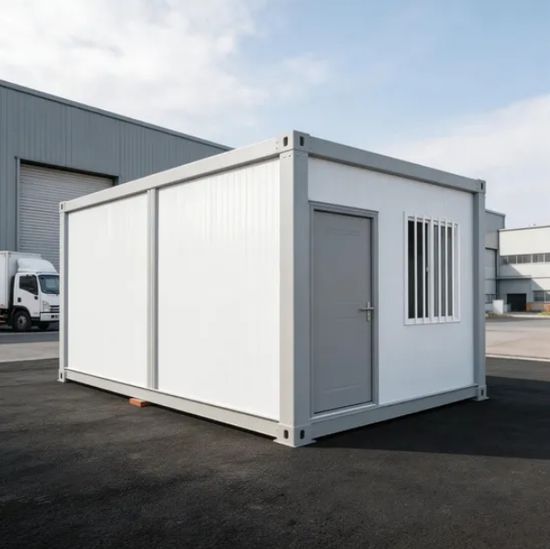


When selecting an ablution container, the structural integrity and corrosion resistance are paramount due to constant water exposure. You should prioritize galvanized steel frames with a zinc coating of at least 120g/m² to prevent rust. For the wall panels, 50mm to 100mm Rockwool or PU (Polyurethane) sandwich panels are recommended for superior thermal insulation and fire resistance. Ensure the floor is reinforced with cement fiber board topped with anti-slip aluminum checkered plates or medical-grade PVC flooring to handle heavy foot traffic and wet conditions.
Compliance is critical for safety and functionality. Ensure the piping system uses PPR or PEX materials to avoid leaks and withstand varying water pressures. Electrical installations must include IP65-rated waterproof lighting and switches, and all circuits must be protected by Residual Current Devices (RCDs) or Ground Fault Circuit Interrupters (GFCIs). For international trade, verify that the unit meets CE (Europe), UL (USA), or SAA (Australia) standards depending on your target market's local building codes.
For commercial or industrial sites, the layout must optimize flow and hygiene. Look for stainless steel sanitary ware (toilets, urinals, and washbasins) as they are more durable and easier to sanitize than ceramic in portable settings. Essential features include high-capacity exhaust fans for ventilation, automatic sensor faucets to conserve water, and integrated water heating systems (electric or solar). If the site lacks sewage infrastructure, inquire about integrated septic tanks or macerator pump systems.
A high-quality ablution container should have a design lifespan of 15-20 years. Check the welding quality of the corner fittings and the sealing technology used for the roof to prevent leaks. Ask for salt spray test reports if the unit will be placed in coastal areas. Furthermore, ensure the internal waterproof treatment extends at least 200mm up the wall panels (coving) to prevent water from seeping into the wall core.
The biggest risks include shipping damage (structural warping) and non-compliance with local plumbing codes. To mitigate this, use Made-in-China.com's Secured Trading services to ensure the product matches the agreed specifications before final payment. Always request a pre-shipment inspection (PSI) by a third party like SGS or Intertek to verify water-tightness and electrical safety.
Ablution containers are bulky. To save costs, consider Flat-Pack (SOC) delivery, where 4 units can be bundled to fit the footprint of a single 20ft shipping container, reducing freight costs by up to 75%. If you require a fully assembled unit, ensure it is shipped as a Standard ISO Container size to avoid 'Out of Gauge' (OOG) surcharges.
Focus on Total Cost of Ownership (TCO) rather than just the unit price. Negotiate for extended warranties (3-5 years) on the structural frame and the inclusion of vulnerable spare parts (faucets, valves, LED drivers) at no extra cost. For bulk orders, aim for a 10-15% discount or an upgrade to premium interior finishes.
Utilize the Audit Reports available on Made-in-China.com to verify the manufacturer's production capacity and export history. Insist on a detailed contract that specifies the brand of internal components (e.g., Schneider electrics, Toto sanitary) and includes a retention fund clause where a small percentage of the payment is held until the unit is successfully commissioned on-site.