
Satisfies 1 requirement
Ductless Fume Hood 7-Inch LCD Color Touchscreen Air Velocity Display Ductless Fume Hood for Lab
US$1,235.00-1,240.00
1 Piece(MOQ)

I have found results from20000+products and6000+suppliers aboutAir fume hood


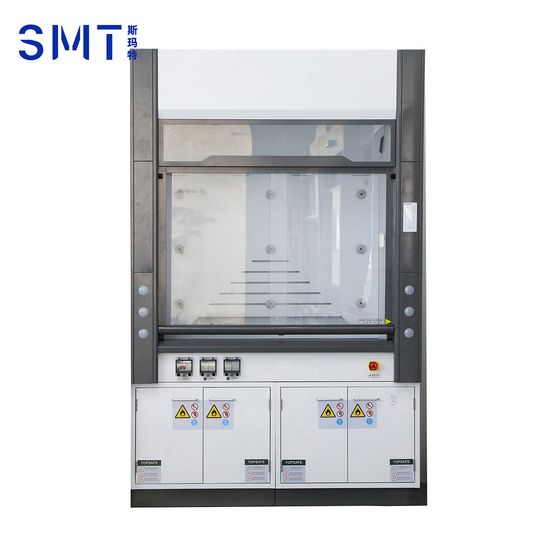


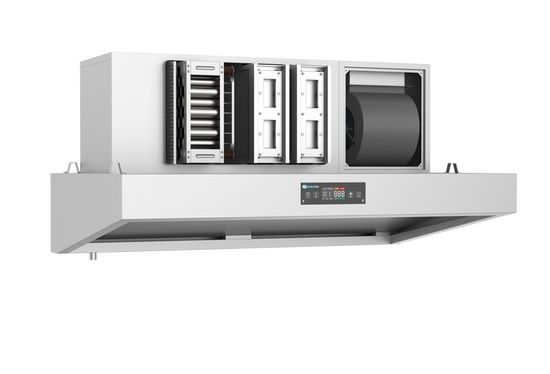


When sourcing an Air Fume Hood, you must prioritize airflow velocity, typically requiring a face velocity of 0.3 to 0.5 m/s to ensure hazardous vapors are effectively contained. The liner material is critical; for general use, high-pressure laminates are sufficient, but for heavy acid use, polypropylene or ceramic fiber liners are mandatory. Additionally, ensure the unit features tempered safety glass sashes and an aerodynamic foil at the entry to minimize turbulence.
Professional buyers must verify that the equipment meets ASHRAE 110-2016 (US) or EN 14175 (EU) standards, which govern containment testing and performance. For electrical safety, look for CE marking or UL certification. If the hood is used in cleanroom environments, ensure it complies with ISO 14644-1 standards to prevent particulate contamination.
The choice depends on your facility's infrastructure and the chemicals used. Ducted hoods are preferred for highly toxic substances as they vent air outside, but they require complex HVAC integration. Ductless hoods offer mobility and lower installation costs but rely on HEPA or activated carbon filters that must be replaced regularly and are only suitable for specific, pre-approved chemical volumes.
Look for integrated airflow monitors and alarms that alert users if the face velocity drops below safe levels. To ensure longevity, specify epoxy resin work surfaces which provide superior chemical and heat resistance. For high-intensity usage, LED explosion-proof lighting and remote-control water/gas valves are recommended to keep the operator away from the immediate splash zone.
The biggest risk is structural damage during transit, as these units are bulky and contain glass components. Always mandate seaworthy plywood crate packaging rather than standard cartons. Another risk is voltage incompatibility; ensure the supplier customizes the motor and plugs to match your local grid (e.g., 110V/60Hz vs 220V/50Hz) before the production phase begins.
Focus on Total Cost of Ownership (TCO) rather than just the unit price. Negotiate for extended warranties (2-3 years) and the inclusion of essential spare parts (like sash cables and sensors). For bulk orders, request factory-level FAT (Factory Acceptance Testing) reports and video inspections to verify performance before the final balance payment is made.
Due to the size, LCL (Less than Container Load) or FCL (Full Container Load) sea freight is most economical. Ensure the supplier provides a detailed HS Code (typically 8414.60) to avoid classification errors at customs. For smooth clearance, verify if your country requires a Certificate of Origin to benefit from preferential trade tariffs.
Utilize Secured Trading services on Made-in-China.com to protect your payment until delivery is confirmed. It is highly recommended to hire a third-party inspection agency (like SGS or Intertek) to perform an on-site audit of the manufacturer's ISO 9001 credentials and to conduct a containment smoke test on the actual units being shipped.