
Satisfies 1 requirement
Customized Modern Style 20FT Prefab Featured Luxury Hotel Apple Cabin
US$3,590.00-4,120.00
1 sets(MOQ)

I have found results from50000+products and10000+suppliers aboutApple cabin


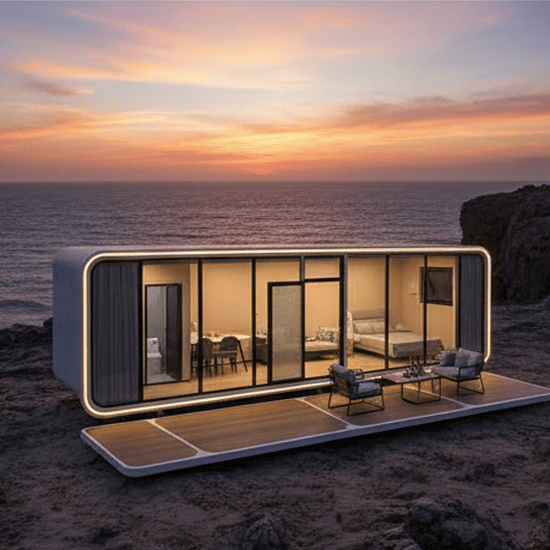


When sourcing an Apple Cabin, the structural integrity is paramount. Ensure the main frame is constructed from hot-dip galvanized steel to prevent rust and corrosion, especially for coastal deployments. The exterior shell should ideally be aerospace-grade aluminum or high-strength fiber-reinforced plastic (FRP) for weather resistance. For insulation, prioritize polyurethane (PU) foam or rock wool with a thickness of at least 50-100mm to ensure thermal efficiency in extreme climates. Additionally, verify that the glass used is double-layered tempered vacuum glass to provide both safety and superior sound insulation.
Compliance is the biggest hurdle in cross-border cabin sourcing. You must ensure the supplier provides CE certification for the European market or meets local building codes (such as AU/NZS for Australia or IBC for the US). Crucially, all electrical components (wires, sockets, breakers) must be UL, CSA, or SAA certified depending on the destination country. For fire safety, materials should meet Class A or B1 fire rating standards. Always request a structural calculation report to ensure the pod can withstand local wind loads and snow loads.
A high-quality Apple Cabin should be a 'plug-and-play' solution. Check if the supplier offers integrated smart home systems (lighting, HVAC, and curtains). The plumbing system should be pre-installed with PEX piping and standard drainage outlets that align with your local sewage requirements. For flooring, SPC stone-plastic composite flooring is recommended due to its waterproof and fireproof properties. Ensure the interior formaldehyde levels meet E0 or E1 standards to guarantee occupant health.
The main risk is structural deformation or glass breakage during transit. Because Apple Cabins are often shipped as 'Flat Rack' or '40HQ' units, you must insist that the supplier uses internal bracing and professional sea-worthy packaging (steel frames + bubble wrap). It is highly recommended to purchase comprehensive marine insurance that covers 'loading and unloading' risks, as most damage occurs at the port.
Focus on 'Audited Suppliers' who have undergone on-site inspections by third-party agencies like SGS or TÜV Rheinland. Review their export history specifically for prefabricated buildings; a supplier experienced in your target market will be more familiar with your country's specific customs requirements. Request a live video factory tour to inspect the welding quality and the assembly line before paying the deposit.
Beyond the unit price, negotiate on the warranty period for the waterproof shell (ideally 5-10 years) and the inclusion of spare parts (extra glass panels, door handles, and LED strips). If ordering multiple units, discuss SKD (Semi-Knocked Down) shipping options to significantly reduce freight costs, though this requires you to have an assembly team on-site. Always link the final 20-30% payment to a successful pre-shipment inspection (PSI).
Cross-border shipping only gets the cabin to the port. You must plan for crane rental and heavy-duty flatbed trucking for inland transport. Ensure the supplier provides a detailed lifting point diagram and a foundation drawing at least 30 days before arrival so your site is prepared. Failure to have a foundation ready can lead to expensive port demurrage fees.