
Satisfies 1 requirement
Prefabricated Space Pod Mobile Tiny Home Space Capsule House for Outdoor Eco Living Villa/Camping Hotel/Glamping Pod/Scenic Area Homestay
US$588.00-20,000.00
1 Ton(MOQ)

I have found results from30000+products and10000+suppliers aboutLiving house


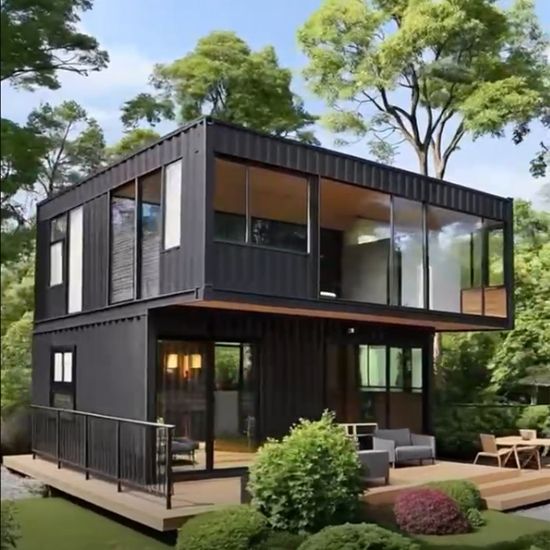


When evaluating a Living House, you must prioritize structural integrity and material durability. Key specs include the main frame material (typically Q235 or Q345 galvanized steel), wall panel thickness (50mm to 100mm Rockwool or PU sandwich panels for thermal insulation), and floor loading capacity (minimum 200kg/m² for residential use). Ensure the wind resistance grade is at least Level 10 and the seismic fortification intensity meets Grade 8 standards to ensure long-term safety.
Compliance is critical for cross-border housing. You should verify that the supplier holds ISO 9001 for quality management and CE or ASTM certifications for structural components. For electrical and plumbing systems, ensure they align with the destination country's standards, such as UL (USA), AS/NZS (Australia), or EN (Europe). Always request fire rating certificates (Class A non-combustible) for insulation materials to meet local building codes.
A professional supplier should provide BIM (Building Information Modeling) or CAD design support to allow for layout adjustments. Check if they offer 'Turnkey' solutions, which include integrated kitchen cabinets, sanitary ware, and pre-installed electrical wiring. The ability to provide modular scalability—allowing units to be stacked or expanded—is a significant advantage for commercial projects like hotels or worker camps.
Beyond the unit price, calculate the Total Cost of Ownership (TCO) by including shipping volume (flat-pack vs. assembled), import duties, and on-site assembly labor costs. Sourcing from Made-in-China.com allows you to compare factory-direct prices, where bulk orders of 10+ units typically yield discounts of 10-20%. Consider the lifespan of the house (typically 20-30 years) and the maintenance requirements of the exterior coating.
The primary risks include shipping damage and missing components. Because these are large-scale kits, a single missing connector can stall the entire assembly. To mitigate this, require the supplier to provide a detailed packing list and assembly video. Additionally, use Trade Resources on Made-in-China.com to verify the supplier's factory through third-party audits (SGS/TUV) to avoid 'trading companies' posing as manufacturers.
Most Living Houses are shipped via 40HQ (High Cube) containers. For 'Flat-pack' models, one container can hold 6-8 units, significantly reducing freight costs per unit. Ensure the supplier uses heavy-duty protective packaging for glass components and sandwich panels. It is highly recommended to use CIF (Cost, Insurance, and Freight) terms for your first order to ensure the cargo is insured against maritime risks.
Focus negotiations on material upgrades rather than just price cuts. For example, negotiate for thicker galvanization (microns) or higher-grade interior finishes for the same price. Request a spare parts kit (5% extra screws, sealant, and touch-up paint) to be included for free. For large projects, negotiate a staged payment plan (e.g., 30% deposit, 60% after video inspection, 10% after arrival) to ensure leverage.
Utilize Secured Payment services and insist on a Pre-shipment Inspection (PSI). You can hire a third-party inspector to verify the zinc coating thickness, welding quality, and waterproof testing of the roof before the balance is paid. This prevents the high cost of returning defective heavy goods across borders.