
Satisfies 1 requirement
Narrow Fabric Textile Shuttleless Needle Loom Ribbon/Woven Label/Curtain Tape Making Weaving Machine
US$3.00
1 Set(MOQ)

I have found results from20000+products and5000+suppliers aboutNarrow fabric machinery


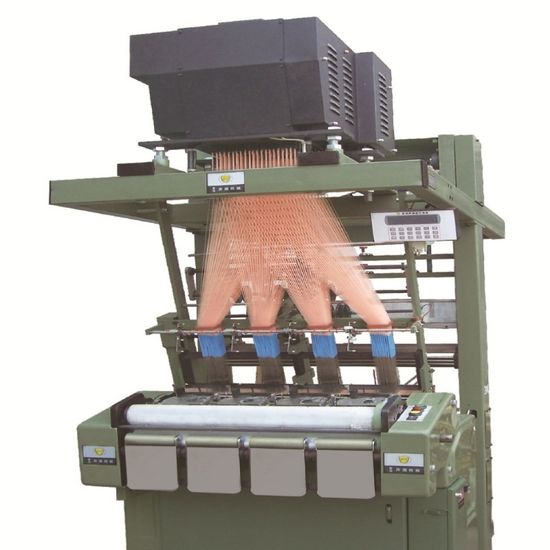


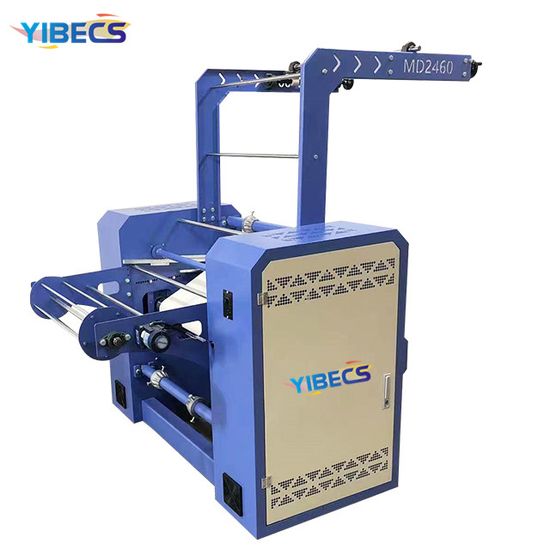


When procuring narrow fabric machinery (such as needle looms or crochet machines), you must prioritize weaving width and number of tapes, as these directly impact production capacity. Ensure the machine supports high-speed operation (up to 1,500 RPM) for efficiency while maintaining low vibration levels to protect needle integrity. Key components like the shedding lever, link chain, and pattern chain should be made of hardened steel to ensure a service life of over 10 years under heavy industrial use.
For cross-border procurement, verify that the equipment carries the CE Marking, which is mandatory for the European market, and complies with ISO 9001:2015 quality management systems. Additionally, check for electromagnetic compatibility (EMC) standards to ensure the machine's electronic control systems do not interfere with other factory equipment. Request factory acceptance test (FAT) reports before shipment to confirm the machine meets the specified output quality.
Modern machines should feature an automatic lubrication system to reduce maintenance downtime and an auto-stop motion sensor that halts production immediately if a yarn breaks, preventing defective batches. For complex designs like elastic tapes or ribbons with logos, look for Electronic Jacquard systems that allow for USB or Wi-Fi pattern uploads, providing greater flexibility than traditional mechanical chains.
Calculate the Total Cost of Ownership (TCO) by factoring in the initial purchase price, energy consumption (kW/h), and the cost of wear-and-tear parts like needles and heald frames. Choosing a machine with a high-efficiency motor (IE3 grade) can reduce electricity costs by 10-15%. Furthermore, ensure the supplier provides a comprehensive spare parts kit (including extra needles and springs) to minimize the impact of minor repairs on your ROI.
The biggest risks include damage during maritime transit and technical incompatibility with local power grids. To mitigate these, insist on vacuum-sealed anti-rust packaging and robust wooden crating. Always specify your local voltage and frequency (e.g., 220V/380V, 50Hz/60Hz) in the contract to ensure the motor and inverter are configured correctly before leaving the factory.
Negotiate for remote technical support via video link and the provision of detailed 3D installation manuals. For large-scale orders, request the inclusion of on-site commissioning by the supplier's engineers. Ensure the contract defines a warranty period of at least 12-24 months and guarantees the availability of spare parts for at least 5 years post-purchase.
Use secure payment methods such as Letters of Credit (L/C) or the Secured Trading services on Made-in-China.com to protect your funds. Never pay the full amount upfront; a standard industry practice is a 30% deposit and 70% balance payment after a successful third-party pre-shipment inspection (PSI) by agencies like SGS or BV.
Due to the weight and precision of the components, FOB (Free On Board) or CIF (Cost, Insurance, and Freight) terms are recommended. Ensure the supplier provides a detailed Packing List and HS Code (typically 8446 for weaving machines) to avoid customs delays. For shipping to specific regions, verify if there are Free Trade Agreements (FTA) in place that could allow for reduced import duties upon presenting a Certificate of Origin.