
Satisfies 1 requirement
China Wholesale Stock 210d Oxford Polyester Waterproof Woven Backpack Fabric PU/PVC Coated/Coating for Travel Bag/ Camping Tent/Shopping Bag/Luggage/Garment
US$1.20-3.00
1 Meter(MOQ)

I have found results from50000+products and20000+suppliers aboutPvc oxford fabric


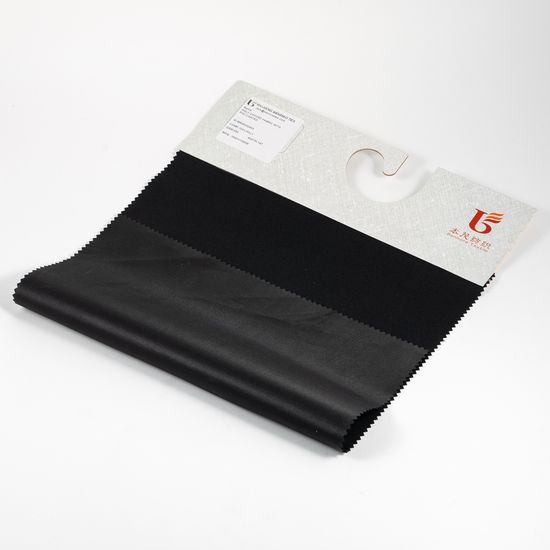


When evaluating PVC Oxford Fabric, you must focus on the Denier (D) count, which indicates the thickness and weight of the yarn (e.g., 1680D is much stronger than 210D). The PVC coating thickness and weight (GSM) are critical, as they determine the fabric's waterproof rating and tensile strength. For outdoor or industrial use, ensure the fabric has a high tear resistance and colorfastness to light (Grade 4 or above) to prevent fading.
Compliance is vital for market entry. For the EU market, ensure the fabric meets REACH (Registration, Evaluation, Authorisation and Restriction of Chemicals) standards, specifically regarding phthalate content in the PVC layer. For the US market, California Proposition 65 and CPSIA (if used for children's products) are mandatory. Additionally, if the fabric is for protective gear or tents, verify EN ISO 14116 for flame retardancy.
There are two primary methods: PVC Calendering and PVC Coating. Calendered PVC is generally more cost-effective but can be heavier and less flexible. Knife coating provides a stronger bond between the fabric and the PVC layer, resulting in superior peeling strength and better performance in extreme temperatures. For high-end luggage or heavy-duty covers, knife-coated Oxford fabric is the preferred choice.
Lightweight grades (210D-420D) are ideal for promotional bags, lightweight covers, and linings. Medium grades (600D) are the industry standard for backpacks, tool bags, and patio furniture covers. Heavy-duty grades (900D-1680D) are specifically designed for military gear, high-end luggage, and industrial-grade protective equipment due to their extreme durability.
Always request a pre-production sample (PPS) and a mass production sample for comparison. Utilize third-party inspection services (like V-Trust or SGS) to conduct a random inspection before the final payment. Focus on checking for coating uniformity, odor (excessive chemical smell indicates low-quality plasticizers), and weight per square meter to ensure the supplier isn't 'skimping' on materials.
Negotiate based on Total Cost of Ownership (TCO) rather than just the unit price. Ask for tiered pricing based on volume (e.g., 1,000m vs. 5,000m). If you are a repeat buyer, negotiate for better payment terms such as Net 30 days or a lower deposit (e.g., 20% instead of 30%). Mention that you are sourcing via Made-in-China.com to leverage the platform's supplier credit systems during negotiations.
PVC Oxford Fabric is heavy and bulky. To optimize costs, ship via Full Container Load (FCL) whenever possible, as Less than Container Load (LCL) often incurs high handling fees for heavy rolls. Ensure the supplier uses strong PVC inner tubes and waterproof outer wrapping to prevent the rolls from crushing or getting damp during sea transit. Always clarify the Incoterms (FOB is recommended) to maintain control over the shipping line and costs.
Use Secured Trading Services provided by reputable platforms like Made-in-China.com to protect your payment until the goods are shipped. Verify the supplier's Audit Reports and Business License on the platform. Avoid transferring funds to personal bank accounts; always ensure the beneficiary name matches the registered company name on the proforma invoice.