
Satisfies 1 requirement
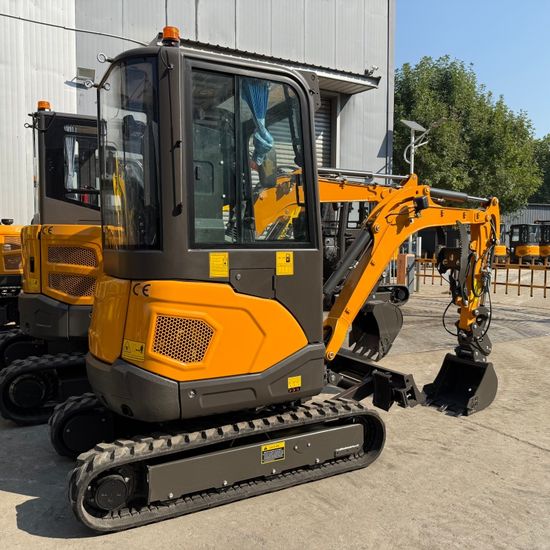
China Brand New 3.5 Ton Small Crawler Excavator Xe35u Digger with Ripper Rake Hammer for Sale
US$19,800.00-20,300.00
1 Piece(MOQ)

I have found results from50000+products and10000+suppliers aboutRipper excavator




When sourcing a ripper, the most critical factor is material composition. High-strength, wear-resistant steel such as Hardox 450 or 500 is essential for the shank and tip to withstand high-impact forces. You must also verify the shank thickness (typically ranging from 50mm to 120mm depending on excavator tonnage) and the replaceable tooth system (e.g., CAT or Komatsu style) to ensure long-term maintenance ease. Additionally, check for reinforced gussets at the mounting points to prevent structural cracking during heavy-duty prying.
Compatibility is determined by the pin diameter, ear width (dipper width), and pin-to-pin center distance. You should provide the supplier with your excavator's make, model, and linkage dimensions. For buyers using quick couplers, it is vital to confirm that the ripper's hook geometry is compatible with the specific brand of coupler (e.g., Miller, Geith, or Wedgelock) to avoid operational play or attachment failure.
Suppliers should ideally hold ISO 9001:2015 certification for quality management. For the welding process, look for compliance with AWS (American Welding Society) or ASME standards, as the integrity of the weld is the most common point of failure in rippers. If you are importing to the EU, ensure the attachment carries a CE Declaration of Conformity, which covers machinery safety requirements.
Single-shank rippers are the industry standard for heavy rock breaking, permafrost penetration, and deep trenching, as they concentrate the entire breakout force of the excavator onto one point. Multi-shank (triple) rippers are better suited for loosening packed soil, shale, or light surface limestone over a wider area, significantly increasing productivity in agricultural or light construction grading.
Request a Material Test Certificate (MTC) for the specific batch of steel used. Furthermore, you should arrange for a third-party pre-shipment inspection (such as SGS or TÜV) to perform a Hardness Test (Brinell scale) on the shank. On platforms like Made-in-China.com, prioritize Audited Suppliers who have undergone on-site factory verifications to ensure their production capabilities match their claims.
Due to the high weight-to-volume ratio, LCL (Less than Container Load) shipping can be expensive due to 'heavy cargo' surcharges. If purchasing multiple units, FCL (Full Container Load) is significantly more cost-effective. Negotiate for FOB (Free On Board) terms to maintain control over the ocean freight costs, and ensure the supplier uses fumigated wooden pallets or steel crates with heavy-duty strapping to prevent movement during transit, which could damage the container or the product.
Always use Secured Payment services provided by reputable B2B platforms like Made-in-China.com to ensure funds are only released after proof of shipment. For large orders, consider a 30% deposit and 70% balance payment against the Bill of Lading (B/L) copy. Avoid direct wire transfers to private accounts; always ensure the beneficiary name matches the registered company name on the business license.
Check the HS Code (typically 8431.49) for your specific country to determine import duties. For example, U.S. buyers should be aware of Section 301 tariffs on Chinese-origin steel products, while Australian buyers can benefit from the ChAFTA agreement to reduce duties. Always request a Certificate of Origin (Form E or Form F) from the supplier to take advantage of applicable preferential trade agreements.