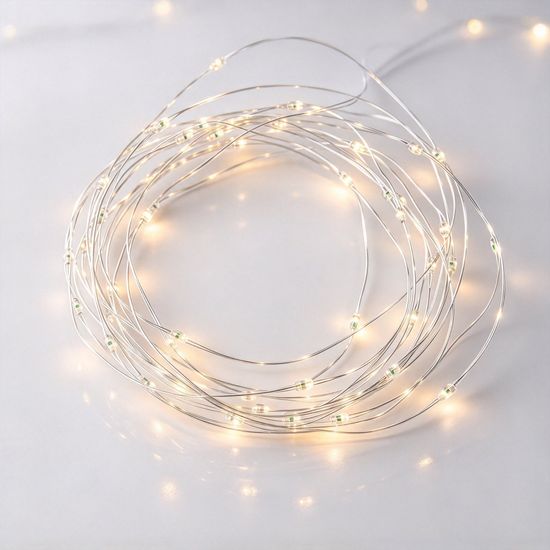
Satisfies 1 requirement
Custom Small Batch Solar Christmas Tree Decorative Lights
US$6.00
1,000 Pieces(MOQ)

I have found results from50000+products and10000+suppliers aboutSolar decorative lights


Selecting high-quality solar decorative lights requires balancing aesthetic appeal with technical durability. Buyers must prioritize photovoltaic efficiency, battery longevity, and weatherproofing to ensure the product survives outdoor environments. For commercial projects or retail, focus on monocrystalline silicon panels, which offer a higher conversion rate (up to 21%) compared to polycrystalline alternatives.
Crucial specs include the IP Rating (minimum IP65 for outdoor use) to ensure protection against rain and dust. Verify the Battery Capacity (mAh) and type; Lithium Iron Phosphate (LiFePO4) batteries are preferred for their longer life cycles and safety. Additionally, check the Luminous Flux (Lumens) to ensure the brightness meets the specific decorative or functional needs of the end-user.
For the US market, ensure products are UL or ETL listed and comply with FCC Part 15 for electromagnetic interference. For the EU, CE marking (LVD and EMC directives) and RoHS certification (restriction of hazardous substances) are mandatory. If the product includes a remote, ensure the RED (Radio Equipment Directive) compliance is met.
Request Salt Spray Test reports if the lights will be used in coastal areas to prevent corrosion. Ask for UV resistance certification for plastic housings to prevent yellowing and brittleness. A reliable supplier should provide a working time vs. charging time ratio, typically aiming for 8-12 hours of illumination after a full 6-8 hour charge in standard sunlight.
Solar lights contain batteries, which are classified as Dangerous Goods (UN3481 or UN3480). You must ensure the supplier provides a valid MSDS (Material Safety Data Sheet) and UN38.3 Test Report. Failure to provide these will lead to customs seizures or rejection by shipping lines. Always confirm if the supplier has experience in battery-inclusive logistics.
Utilize third-party inspection services (like V-Trust or SGS) to conduct a Pre-Shipment Inspection (PSI). Focus on a Function Test (charging and discharging) and a Waterproof Test. For secure transactions, use the Secured Trading services on Made-in-China.com to ensure payment is only released upon successful quality verification.
Negotiate based on component transparency. Ask for a breakdown of the LED chip brand, battery grade (Grade A vs. Grade B), and solar panel type. For orders exceeding 2,000 units, aim for a 10-15% volume discount. You can also negotiate spare parts (usually 1-2% extra units) to be included free of charge to cover potential DOA (Dead on Arrival) items.
For large volumes, Sea Freight (FCL or LCL) is the most economical. However, due to the seasonal nature of decorative lights (e.g., Christmas or Summer peaks), plan for a 60-90 day lead time including production. For urgent samples or small batches, use Air Freight with specialized battery carriers, but be prepared for higher surcharges.