
Satisfies 1 requirement
High Elastic Stainless Steel Woven Wire Cloth
US$10.00-15.00
100 Square Meters(MOQ)

I have found results from100000+products and50000+suppliers aboutSteel wire cloth


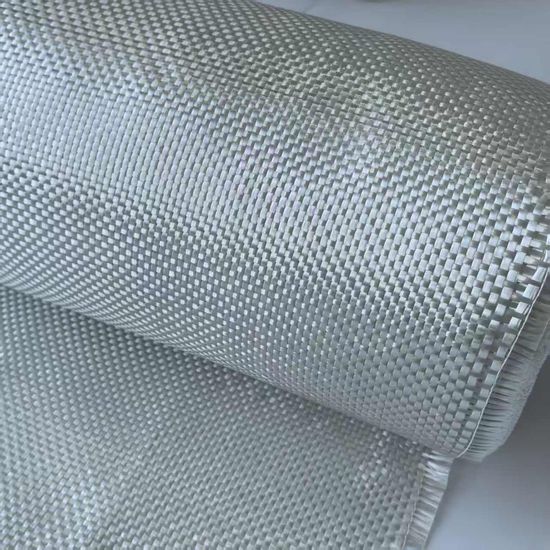


When sourcing steel wire cloth, you must prioritize Mesh Count (number of openings per linear inch), Wire Diameter, and Aperture Size. For industrial filtration, ensure the Weave Type (Plain, Twill, or Dutch weave) matches your pressure and flow requirements. Always verify the Material Grade; for instance, SUS 304 offers standard corrosion resistance, while SUS 316L is essential for high-acid or marine environments to prevent premature oxidation.
Professional buyers should demand compliance with ISO 9044:2016 (Industrial wire screens) and ASTM E2016-15. If the wire cloth is used in food processing, it must adhere to FDA or EU food-grade contact regulations. Request a Material Test Report (MTR) or a Mill Test Certificate to verify the chemical composition of the steel, ensuring it isn't a lower-grade alloy masquerading as premium stainless steel.
Steel wire cloth is highly versatile. In Petrochemical industries, high-strength Dutch weaves are used for fine filtration under high pressure. In Construction, galvanized or epoxy-coated wire cloth is preferred for window screens and structural reinforcement due to weather resistance. For Mining and Quarrying, focus on High-Tensile Carbon Steel with heavy wire diameters to withstand extreme abrasion and impact.
Calculate the Total Cost of Ownership (TCO) by factoring in the unit price, shipping weight (wire cloth is heavy), and durability cycle. While Galvanized Steel is cheaper upfront, Stainless Steel often proves more economical over time due to reduced replacement frequency. Seek suppliers on Made-in-China.com who offer tiered pricing, where orders exceeding 500 square meters can trigger discounts of 15-25%.
The most common risks include Material Substitution (receiving 201 grade instead of 304) and Dimensional Inaccuracy. To mitigate this, utilize Trade Assurance services and hire third-party inspection agencies (like SGS or Intertek) to perform a PMI (Positive Material Identification) test before the balance payment is released.
Always negotiate for incoterms like FOB (Free On Board) to maintain control over shipping costs and insurance. For new suppliers found on Made-in-China.com, insist on a 30% deposit and 70% balance against the Bill of Lading (B/L). Avoid 100% upfront payments. Clearly define tolerances for mesh count and wire thickness in the contract to provide legal recourse in case of sub-standard delivery.
Due to the weight and susceptibility to moisture, ensure the supplier uses seaworthy packaging, including waterproof paper lining and robust wooden crates (ISPM 15 compliant). For large volumes, Full Container Load (FCL) shipping is significantly more cost-effective than LCL and reduces the risk of mechanical damage during transshipment.