
Satisfies 1 requirement
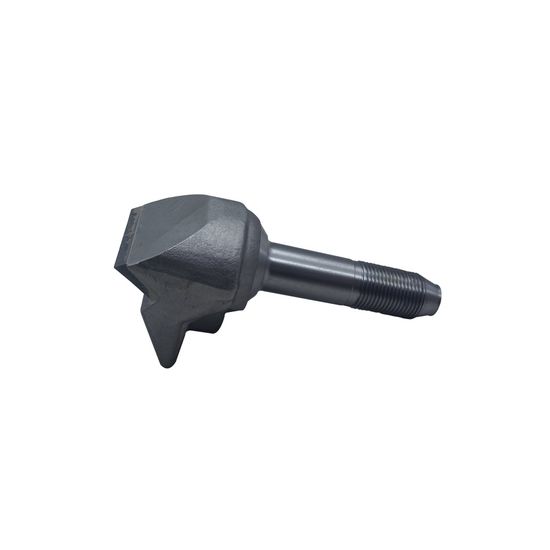
Factory Impact Resistance Tungsten Carbide Tunnel Teeth for Efficient Cutting Roadheader Machine
US$7.90-10.00
100 Pieces(MOQ)

I have found results from80000+products and30000+suppliers aboutTungsten carbide teeth price




Buyers must prioritize the Cobalt (Co) content and Grain Size, as these determine the balance between hardness and toughness. For high-impact applications like mining or road milling, a Cobalt content of 6% to 10% is standard. Ensure the Rockwell Hardness (HRA) falls within the 88-92 range for optimal wear resistance. Additionally, verify the Transverse Rupture Strength (TRS), which should typically exceed 2000 MPa to prevent premature fracturing under heavy loads.
The application environment is critical. For rock drilling and mining, grades with coarse grain structures are preferred to resist impact. For woodworking or precision cutting, sub-micron grain sizes are necessary to maintain a sharp cutting edge. If the teeth are used in corrosive environments (e.g., chemical processing), specify Nickel-binder grades instead of Cobalt to prevent binder leaching and structural failure.
Reliable suppliers should adhere to ISO 9001:2015 for quality management systems. For specific industrial applications, look for compliance with ASTM B276 (standard test method for apparent porosity) and ASTM B311 (density testing). Ensure the supplier provides a Material Test Report (MTR) or a Certificate of Analysis (COA) for every batch to guarantee chemical composition and physical properties.
Since carbide teeth are often welded onto steel bodies, the surface treatment is vital. Request sandblasted or chemically treated surfaces to enhance brazing capillary action. Ask the supplier if they offer pre-tinned surfaces (silver solder pre-applied) to reduce your assembly time and ensure a high-strength bond that prevents teeth detachment during high-speed operations.
Recycled powder (zinc process) is cheaper but leads to inconsistent performance. To mitigate this, request a SEM (Scanning Electron Microscope) image of the grain structure and perform a density test upon arrival. Professional buyers on Made-in-China.com should utilize Audited Suppliers who provide full traceability from raw material ore to finished product.
Tungsten prices fluctuate based on global ore indices. Instead of a fixed price, negotiate a formula-based pricing model linked to the APT (Ammonium Paratungstate) market price. For bulk orders, aim for a 10-15% discount by committing to an annual volume while requesting staggered shipments to manage your inventory costs.
Tungsten carbide is extremely dense and brittle. Ensure the supplier uses vacuum packaging to prevent oxidation and individual plastic grid spacers to prevent teeth from striking each other during transit. For international shipping, insist on reinforced wooden crates (ISPM 15 compliant) rather than cardboard boxes, as the high weight-to-volume ratio can cause standard packaging to collapse.
Use Secured Trading Services on platforms like Made-in-China.com to ensure payment is only released after shipping documents are verified. Be aware of Anti-Dumping Duties (ADD) that some regions (like the EU or USA) may apply to specific Chinese carbide products; always verify the HS Code (typically 8209.00) with your customs broker to calculate the Total Landed Cost accurately.