
Satisfies 1 requirement
Carbon Fiber Sandwich Panel PMI Foam Core Aerospace Medical Industry CT Bed High Strength Heat-Resistant Thermotolerant
US$2.00-3.00
1 M3(MOQ)

I have found results from5000+products and1000+suppliers aboutWholesale pmi foam


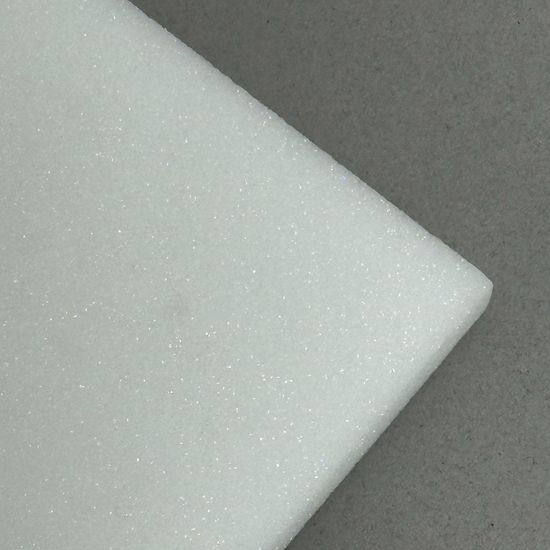


When sourcing PMI foam, the most critical factor is density, typically ranging from 30 to 200 kg/m³. You must ensure the compressive strength and shear modulus align with your structural requirements. For aerospace or automotive use, verify the heat distortion temperature (HDT), which should ideally exceed 180°C to 240°C to withstand autoclave processing. Additionally, check for cell size uniformity, as smaller, closed-cell structures provide better resin absorption resistance during sandwich panel infusion.
While PMI foam has a higher unit cost than PVC, it offers a superior strength-to-weight ratio and better thermal stability. Unlike honeycomb cores, PMI foam does not require edge filling and eliminates the risk of water ingress or 'telegraphing' on the skin surface. For long-term economic feasibility, consider the total lifecycle cost; PMI's ability to be thermoformed into complex shapes can significantly reduce labor costs and assembly time in mass production.
Suppliers should demonstrate compliance with ISO 9001 for quality management. For specific industries, look for AS9100 (Aerospace) or IATF 16949 (Automotive) certifications. Ensure the material meets UL 94 V-0 or FAR 25.853 flame retardancy standards if the product is intended for aircraft interiors or public transport. Always request a Certificate of Analysis (CoA) for every batch to verify consistency in mechanical properties.
PMI foam is the gold standard for sandwich construction in Aerospace (fairings, radomes), Medical Technology (X-ray tables, due to low X-ray absorption), and High-end Sports Equipment (hockey sticks, racing bikes). It is also increasingly used in 5G infrastructure because of its excellent dielectric properties (low dielectric constant and loss tangent), which minimize signal interference.
PMI foam is hydroscopic, meaning it can absorb moisture from the air. Ensure the supplier uses vacuum-sealed moisture-proof packaging with desiccant packs. For long-distance sea freight, specify that the material must be stored in temperature-controlled environments or away from heat sources to prevent dimensional warping before it reaches your facility.
Start by requesting a sample for lab testing to verify performance against top-tier brands. When negotiating, leverage annual volume forecasts rather than single-order quantities to secure tier-based discounts (often 10-20%). On platforms like Made-in-China.com, prioritize Diamond Members or Audited Suppliers who offer Trade Assurance to protect your payment until the goods pass your internal quality inspection.
Always use Escrow services or Letters of Credit (L/C) for large wholesale orders to ensure funds are only released upon presentation of Bill of Lading and Third-Party Inspection Reports (e.g., SGS or Intertek). Avoid direct wire transfers to private accounts. Verify the supplier's business license and check if their export history matches the product category of high-performance polymers.
Check the HS Code (typically 3921.19) for PMI foam in your country to determine applicable import duties and anti-dumping taxes. Be aware of dual-use technology regulations; since PMI foam is used in aerospace and defense, some grades may require an Export License from the originating country. Ensure all Customs Declarations accurately reflect the technical grade to avoid delays or seizures.