
Satisfies 1 requirement
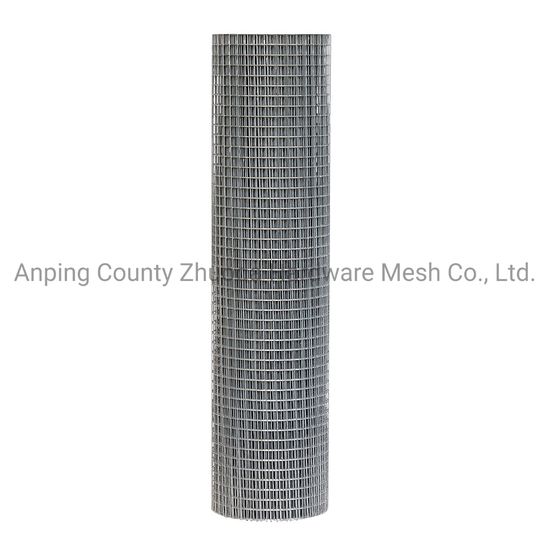
Galvanized /Stainless Steel Wire Mesh/Mild Steel cloth for Filtering
US$148.00-150.00
50 Rolls(MOQ)

I have found results from90000+products and30000+suppliers aboutWire cloth mesh




Material selection is the most critical factor for durability. For general industrial use, Stainless Steel 304 offers excellent corrosion resistance. However, for marine environments or chemical processing, Stainless Steel 316 is mandatory due to its higher molybdenum content which prevents pitting. For high-temperature applications, consider Inconel or Monel alloys. Always request a Material Test Report (MTR) to verify the chemical composition of the alloy.
Precision is defined by Mesh Count (wires per linear inch), Wire Diameter, and Aperture (opening size). B2B buyers must ensure the Open Area percentage meets their flow rate or filtration requirements. For high-precision tasks, specify 'Market Grade' for standard applications or 'Bolting Cloth' for finer, high-capacity sifting. Ensure the supplier adheres to ASTM E2011-13 or ISO 9044 industrial wire cloth standards.
The weave determines the mesh's strength and filtration capability. Plain Weave is the most common for general screening. Twilled Weave allows for heavier wires and is used for fine filtration. For pressurized filtration, Dutch Weave (Plain or Twilled) is superior as it creates a tortuous path for particles, offering higher strength and finer micron ratings. Crimped Mesh is preferred for heavy-duty vibrating screens in mining.
Ensure the manufacturer is ISO 9001:2015 certified for quality management. For food processing, the mesh must be FDA compliant and free from surface contaminants. For pharmaceutical or laboratory use, verify USP Class VI compliance if applicable. Always ask for ultrasonic cleaning services to ensure the mesh is free of oil and drawing lubricants before shipping.
The primary risk is 'material substitution' (e.g., 201 stainless steel labeled as 304). To mitigate this, use third-party inspection services (like SGS or Intertek) to perform a PMI (Positive Material Identification) test before the balance payment. Additionally, sourcing through reputable platforms like Made-in-China.com allows you to select 'Audited Suppliers' who have undergone rigorous on-site verification.
Focus on Total Linear Weight and Weaving Consistency. Negotiate based on volume-based pricing tiers, as wire cloth production has high setup costs; ordering in standard roll lengths (usually 100 feet or 30 meters) can reduce costs by 15-20% compared to custom cuts. Request free samples to check for 'wire shift' or weaving defects before committing to a bulk contract.
Wire mesh is susceptible to deformation and moisture. Insist on heavy-duty cardboard tubes for the core to prevent crushing and waterproof PVC wrapping combined with wooden crates (fumigated) for sea freight. For fine mesh (high mesh counts), specify extra cushioning to prevent 'bruising' of the mesh surface, which can ruin its filtration properties.
Utilize Trade Assurance or Letters of Credit (L/C) for large industrial orders to ensure payment is only released upon proof of shipment. Be aware of Anti-Dumping Duties (ADD) that some regions (like the EU or USA) may impose on specific steel products from China; always check the HS Code (typically 7314.14) against your local customs tariff schedule to calculate the Total Landed Cost accurately.