
Satisfies 1 requirement
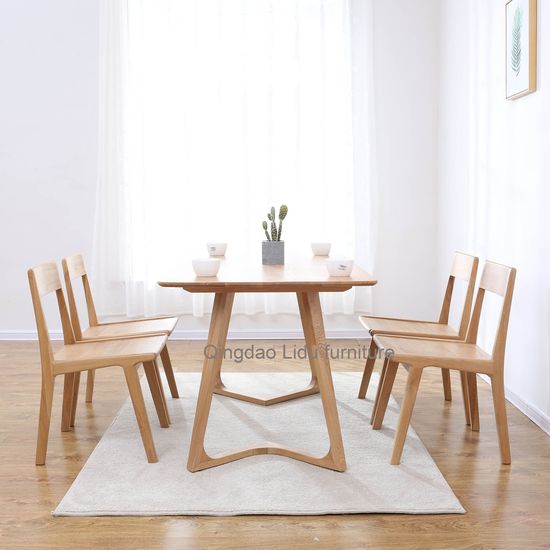
Cheap High Quality Restaurant Chairs Metal Frame Commercial Grouped Solution Wood Textured Restaurant Table Rectangular with Wood Chair
US$30.50-33.50
200 Pieces(MOQ)

I have found results from200000+products and50000+suppliers aboutWooden table and chair




For high-traffic commercial environments, prioritize kiln-dried hardwoods such as Oak, Walnut, Ash, or Rubberwood to prevent warping and cracking. Ensure the moisture content is strictly controlled between 8% and 12%. For cost-effective options, high-density MDF with wood veneer is acceptable, but the edges must be sealed with PVC or solid wood banding to prevent moisture ingress and peeling.
Buyers should demand compliance with EN 12520:2015 (strength, durability, and safety for domestic seating) or ANSI/BIFMA X5.1 for office/commercial grade furniture. Verify that the supplier holds an ISO 9001 certification for quality management and FSC (Forest Stewardship Council) certification if your market requires sustainable sourcing and legal timber verification.
Request technical drawings showing mortise and tenon joints reinforced with corner blocks and heavy-duty screws, as these are far superior to simple nail-and-glue construction. For the finish, ensure the use of lead-free, non-toxic PU (Polyurethane) or UV coatings that meet REACH or CPSIA standards, providing resistance to scratches, heat, and chemical cleaners.
For dining sets, the standard table height should be 75-76cm with a seat height of 45cm. For office use, prioritize contoured backrests and waterfall seat edges to reduce pressure on the legs. If the furniture is for outdoor use, ensure the wood is naturally oily (like Teak) or treated with ACQ pressure-preservatives and uses 304 stainless steel hardware to prevent rust.
The most critical risk is the Lacey Act (USA) or EUTR (EU) compliance, which requires proof of legal harvest. Additionally, ensure the supplier provides a Fumigation Certificate for solid wood packaging and products to avoid immediate rejection by customs. Always check for Anti-Dumping Duties (ADD) which can be exceptionally high for wooden bedroom furniture from certain regions.
Furniture is prone to transit damage; insist on 5-layer corrugated export cartons with EPE foam corner protectors and honeycomb board padding. Conduct a Pre-Shipment Inspection (PSI) focusing on a drop test (ISTA 1A or 2A). For large orders, use Made-in-China.com's Secured Trading Service to ensure payment is only released after the quality is verified by a third-party inspector.
Negotiate based on container utilization rates; designing products to be KD (Knock-Down) packaging can reduce shipping volume by up to 60%, significantly lowering the landed cost per unit. For long-term partnerships, request a price breakdown including raw material, labor, and overhead to identify where bulk discounts (typically 10-20% for 40HQ orders) can be applied.