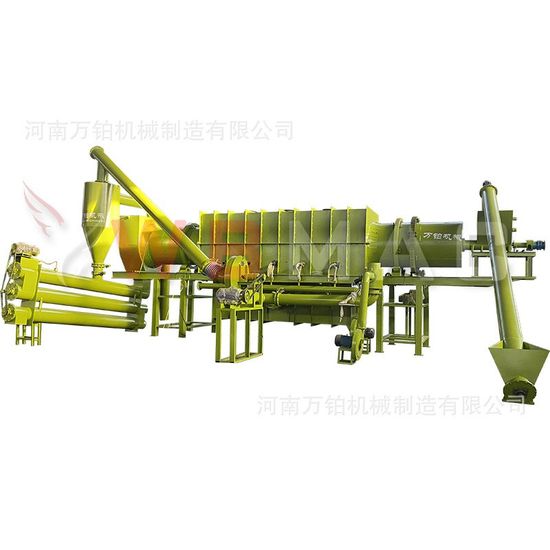
Biochar for sale manufacturers
I have found results from400+products and200+suppliers aboutBiochar for sale
Vary's Biochar Technology for Green Energy and Waste Management
US$240,000.00-2,400,000.00
1 Set(MOQ)
Eco-Friendly Pyrolysis Machine for Biochar Production in Hunan
US$240,000.00-2,400,000.00
1 Set(MOQ)
Biochar-Based Material Pyrolysis Preparation Equipment
US$240,000.00-2,400,000.00
1 Set(MOQ)
CE-Certified, Fully-Automated Continuous Pyrolysis Plant for Biochar
US$240,000.00-2,400,000.00
1 Set(MOQ)
Sourcing guidance for Biochar For Sale
What are the key technical specifications to consider when sourcing biochar for industrial or agricultural use?
When evaluating biochar, the most critical factors are Carbon Content (Fixed Carbon), Surface Area, and Pore Structure. High-quality biochar should have a Fixed Carbon content of >65% for soil amendment and carbon sequestration. The Specific Surface Area (BET) should ideally exceed 200-400 m²/g to ensure effective nutrient retention and microbial habitat. Additionally, verify the pH level (typically alkaline, between 8.0 and 10.0) and Cation Exchange Capacity (CEC), as these directly impact soil fertility and heavy metal adsorption capabilities.
How do different feedstock materials and pyrolysis temperatures affect the final product quality?
The quality of biochar is heavily dependent on the Feedstock Source (e.g., wood chips, coconut shells, or crop residues) and Pyrolysis Temperature. Wood-based biochar generally offers higher structural stability, while coconut shell biochar provides superior porosity. Higher pyrolysis temperatures (500°C - 700°C) result in increased aromaticity and stability, making it better for long-term carbon storage, whereas lower temperatures (<450°C) retain more functional groups beneficial for immediate nutrient exchange in agriculture.
What compliance standards and certifications should B2B buyers look for?
To ensure environmental safety and product efficacy, buyers should prioritize suppliers who comply with the International Biochar Initiative (IBI) Certification or the European Biochar Certificate (EBC). These standards regulate the levels of Polycyclic Aromatic Hydrocarbons (PAHs), Heavy Metals (Lead, Cadmium, Mercury), and Dioxins. For organic farming applications, ensure the product is OMRI Listed or meets local organic input regulations to avoid contaminating the supply chain.
What are the typical usage scenarios for bulk biochar procurement?
Biochar is versatile and used in Soil Remediation to restore degraded land, Water Filtration to remove contaminants, and as a Feed Additive in livestock to improve digestion. In the construction sector, it is increasingly used as a Carbon-Negative Additive in Concrete or asphalt. For B2B buyers, selecting a supplier with customizable particle sizes (from fine powder to 10mm granules) is essential to match these specific application requirements.
Cross-Border Purchasing Considerations for Biochar
What are the primary risks when importing biochar internationally?
The most significant risk is Spontaneous Combustion. Biochar, especially when freshly produced or in powder form, can be classified as a Self-Heating Substance (Class 4.2 Dangerous Goods). Buyers must ensure the supplier provides a Material Safety Data Sheet (MSDS) and a Vanning Certificate confirming the material has been properly cooled and aged for at least 14 days prior to shipment to prevent fire hazards during transit.
How can buyers verify supplier credibility and product consistency?
Utilize Made-in-China.com’s Audited Supplier reports to verify the manufacturer's production capacity and factory conditions. Before placing a bulk order, always request a Pre-shipment Inspection (PSI) by a third party like SGS or Intertek to test for moisture content (should be <15% to avoid paying for water weight) and ash content. Establishing a Quality Assurance Agreement that defines penalties for deviations in carbon purity is a key negotiation strategy.
What are the logistics and shipping precautions for biochar?
Due to its low density, biochar is high-volume but low-weight. To optimize shipping costs, use Jumbo Bags (Ton Bags) with liners to prevent moisture absorption and dust leakage. Ensure the Incoterms are clearly defined; FOB (Free On Board) is recommended for buyers who have established relationships with freight forwarders experienced in handling bulk minerals or charcoal products. Always confirm if the destination country requires a Phytosanitary Certificate if the biochar is derived from raw plant waste.
How to ensure transaction security in large-scale biochar trades?
For high-value B2B transactions, use Secured Payment services provided by platforms like Made-in-China.com or traditional Letters of Credit (L/C). This ensures that funds are only released once the buyer receives the Bill of Lading and the required Quality Inspection Certificates. Avoid direct wire transfers to unverified accounts, and always cross-reference the supplier's bank details with their registered business license.